

Mindfulness, often described as paying attention to the present moment without judgment, has gained immense popularity in recent years. While it might seem like a trendy wellness practice, mindfulness is rooted in ancient traditions and, more importantly, is increasingly supported by scientific evidence. This blog post delves into the science behind mindfulness practices, exploring how it affects the brain, body, and overall well-being.
Align your energy with yoga
Before diving into the science, let's clarify what mindfulness truly entails. It's not about emptying your mind or achieving a state of perfect tranquility. Instead, it's about cultivating awareness of your thoughts, feelings, bodily sensations, and surrounding environment in the present moment. This awareness is cultivated with an attitude of curiosity, openness, and acceptance, rather than judgment or resistance.
Common mindfulness practices include:

- Mindful Breathing: Focusing on the sensation of your breath as it enters and leaves your body.
- Body Scan Meditation: Systematically bringing awareness to different parts of your body, noticing any sensations without judgment.
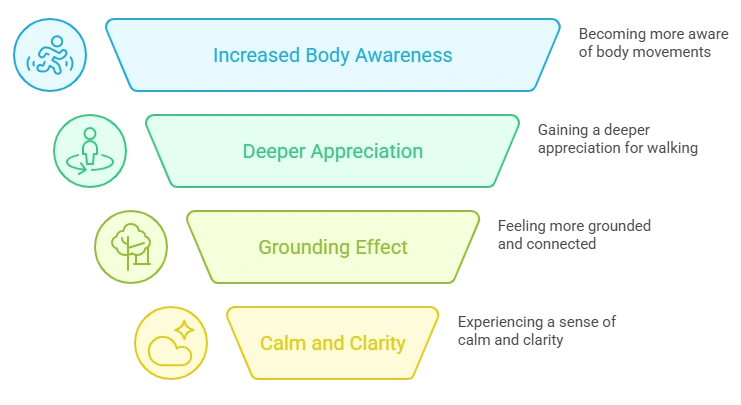
- Mindful Walking: Paying attention to the physical sensations of walking, such as the feeling of your feet on the ground.
- Mindful Eating: Engaging all your senses while eating, noticing the taste, texture, and aroma of your food.
Enhancing Mindfulness Through Mindful Walking
The Brain on Mindfulness: Neuroscientific Evidence
Neuroscience has provided compelling evidence of the impact of mindfulness on brain structure and function. Studies using techniques like fMRI (functional magnetic resonance imaging) and EEG (electroencephalography) have revealed several key findings:
- Increased Gray Matter Density: Research has shown that regular mindfulness practice is associated with increased gray matter density in brain regions associated with learning, memory, emotional regulation, and perspective-taking. Specifically, the hippocampus (involved in memory), the prefrontal cortex (involved in executive functions), and the anterior cingulate cortex (involved in attention and emotional regulation) have shown increased gray matter density in meditators.
- Reduced Amygdala Activity: The amygdala is the brain's emotional center, responsible for processing fear and stress. Studies have found that mindfulness practice can reduce amygdala activity, leading to a decrease in feelings of anxiety and stress. This suggests that mindfulness can help regulate the brain's response to perceived threats.
- Enhanced Connectivity: Mindfulness practice has been linked to increased connectivity between different brain regions, particularly between the prefrontal cortex and other areas involved in emotional regulation. This enhanced connectivity allows for better communication between different parts of the brain, leading to improved emotional control and cognitive flexibility.
- Altered Brainwave Patterns: EEG studies have shown that mindfulness practice can alter brainwave patterns, increasing alpha and theta waves, which are associated with relaxation and a state of calm alertness. This suggests that mindfulness can help shift the brain into a more relaxed and focused state.
Unveiling the Brain's Transformation Through Mindfulness

How to Incorporate Mindfulness into Your Life
The good news is that mindfulness is a skill that can be learned and cultivated through regular practice. Here are some tips for incorporating mindfulness into your daily life:
- Start Small: Begin with just a few minutes of mindfulness practice each day and gradually increase the duration as you become more comfortable.
- Find a Quiet Space: Choose a quiet and comfortable space where you can practice without distractions.
- Focus on Your Breath: Use your breath as an anchor to bring your attention back to the present moment whenever your mind wanders.
- Be Patient: Mindfulness is a skill that takes time and practice to develop. Be patient with yourself and don't get discouraged if your mind wanders.
- Integrate Mindfulness into Daily Activities: Practice mindfulness while doing everyday activities, such as eating, walking, or washing dishes.
- Consider a Guided Meditation: Use guided meditation apps or online resources to help you get started with mindfulness practice.
Conclusion
The science behind mindfulness practices is compelling, demonstrating its positive effects on the brain, body, and overall well-being. From reducing stress hormones to improving attention and emotional regulation, mindfulness offers a range of benefits that can enhance your quality of life. By incorporating mindfulness into your daily routine, you can cultivate a greater sense of awareness, presence, and well-being. As research continues to unfold, the potential of mindfulness to promote health and happiness is becoming increasingly clear.